What to Do When Strangers Won't Stop Buzzing Your Apartment
Your apartment buzzer rings. You don't recognize the voice. It happens again the next day, and the next. Random buzzers from solicitors, wrong numbers, and people hoping someone will just let them in are one of the most frustrating parts of apartment living. Here's how to take back control.
Knockli Team
Building Access Experts
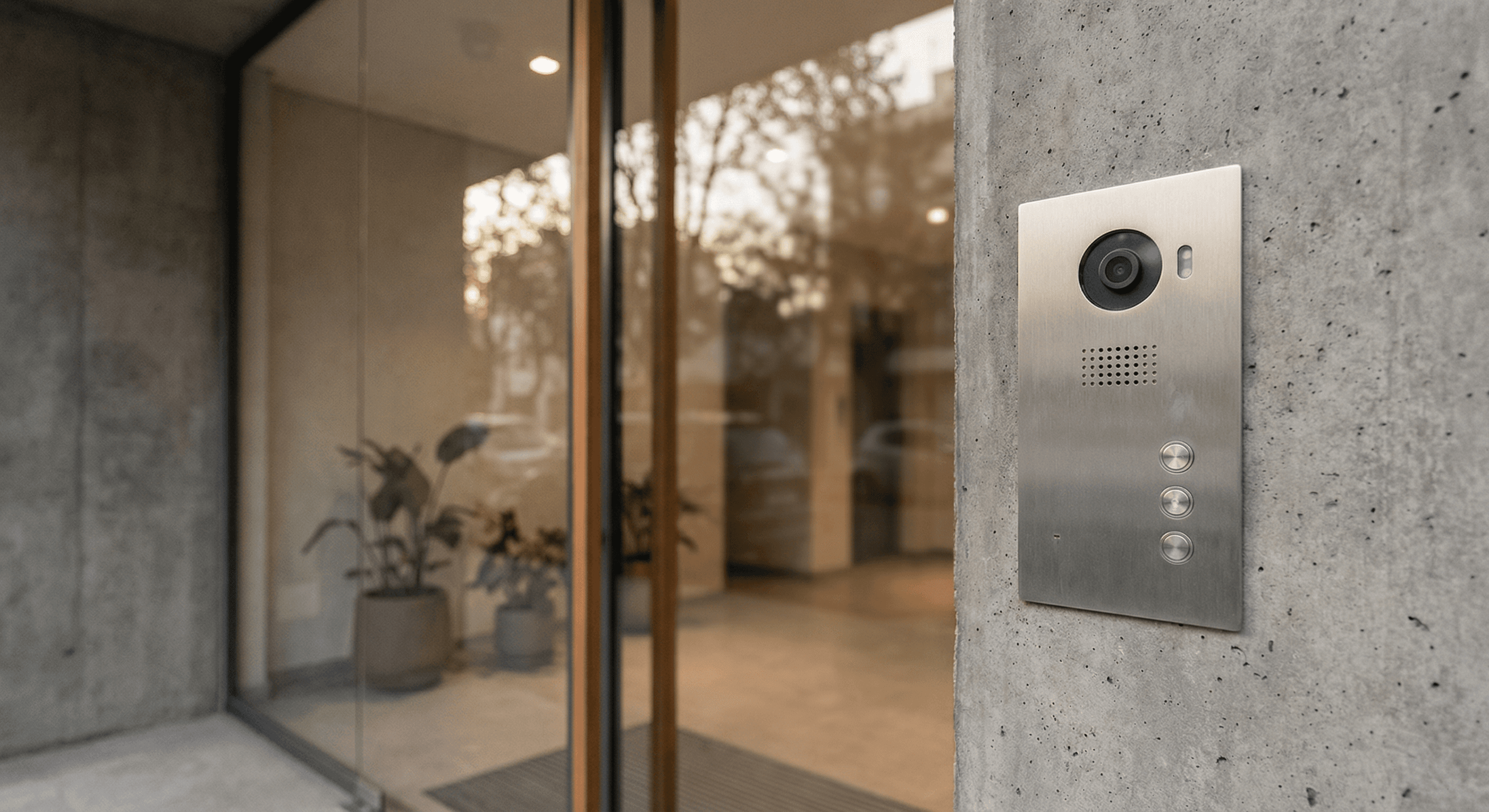
Key Takeaways
- You're not obligated to answer: ignoring unknown buzzers is a legitimate safety strategy
- Ask three questions: who are you, what unit are you looking for, and why are you here
- Pressure tactics are red flags: legitimate visitors don't get angry when asked to identify themselves
- Document persistent issues: building management needs specifics to take action
- Technology can filter for you: AI-powered screening handles unwanted visitors automatically so you don't have to
Your buzzer rings. You weren't expecting anyone. You pick up, and a voice you don't recognize asks to be let in. Maybe they claim to be a delivery driver, but something feels off. Maybe they're selling something. Maybe they don't explain at all, just expect you to buzz them through.
It happens again tomorrow. And the day after that.
If you live in an apartment, you know this frustration intimately. Random buzzer calls from solicitors, wrong numbers, and people who just want someone to let them in are one of the most common complaints among apartment dwellers. According to a comprehensive survey of apartment renters, 71% of residents believe their property management should do more to improve security. A significant part of that dissatisfaction comes from the buzzer itself: a system that gives anyone on the street direct access to interrupt your day.
The good news? You don't have to accept random buzzer chaos as normal. Here's how to handle unwanted visitors, protect your building, and take back control of your peace.
Why Strangers Keep Buzzing Your Apartment
Before you can address unwanted buzzer calls, it helps to understand where they're coming from. The strangers buzzing your unit typically fall into a few categories.
Solicitors and salespeople. Door-to-door sales and marketing haven't disappeared; they've moved to apartment buildings. These callers might be selling home services, political campaigns, religious outreach, or scams. They often buzz multiple units hoping someone will let them in.
Wrong unit buzzers. Someone meant to reach apartment 4A but pressed 4B. Or they have the wrong building entirely. These are usually harmless but still disruptive.
Tailgating attempts. This is a security concern worth understanding.
What is tailgating? Tailgating (also called piggybacking) is when an unauthorized person gains building access by following closely behind a resident or convincing someone to buzz them in. It's one of the most common ways apartment building security is compromised.
People attempting to tailgate will often buzz random units, claiming to be delivery drivers or visitors, hoping someone will let them in without verification. Once inside, they can access hallways, mailboxes, and common areas.
Frustrated delivery drivers. When a delivery driver can't reach the intended recipient, they sometimes start buzzing other units hoping anyone will grant access so they can complete the delivery. This is understandable from their perspective but creates security problems for everyone else.
Suspicious or persistent visitors. Some unwanted buzzers have concerning intent: people casing buildings for theft opportunities, harassers tracking a specific resident, or individuals with unclear motives who return repeatedly.
Late-night wrong numbers. After a certain hour, random buzzers often come from people who are lost, intoxicated, or simply pressing buttons at the wrong building. These are typically harmless but can be alarming when they wake you up at 2 AM.
How to Respond to Unwanted Apartment Buzzer Calls Safely
Not every unwanted buzzer is dangerous, but treating each one with appropriate caution protects both you and your building. Here's how to handle different situations.
The Three Questions Rule
When someone buzzes and you don't recognize them, ask three questions before deciding whether to grant access:
- Who are you? A legitimate visitor will identify themselves clearly.
- What unit are you looking for? They should know whose door they're trying to reach.
- Why are you here? "Delivery for apartment 5C" or "I'm here to see Maria" are complete answers. "Just let me in" is not.
If someone can't answer these basic questions, they don't belong in your building. A real delivery driver knows who they're delivering to. A real guest knows who they're visiting.
When to Simply Not Answer
You have no obligation to pick up your buzzer. If you're not expecting anyone, it's perfectly reasonable to:
- Let unknown buzzes go unanswered
- Check through a window or camera if available
- Wait to see if they buzz someone else (which suggests they're looking for entry, not for you specifically)
Many apartment dwellers feel social pressure to answer every buzz, as if ignoring it is rude. It's not. Your buzzer is a request for access to your building, not a demand. You get to decide whether to engage.
For more on screening visitors effectively, see our guide on how to screen apartment visitors when you're not home.
Red Flags That Indicate Danger
Some responses to your screening questions should immediately raise concerns:
Pressure tactics:
- "Just buzz me in, I'm in a hurry"
- "Come on, it's freezing out here"
- "I don't have time for this"
Vague or evasive answers:
- "I'm here for a thing"
- "Someone's expecting me" (but can't say who)
- "I'm with the building" (but can't name anyone or show ID)
Aggression or intimidation:
- Getting angry when you ask who they are
- Raising their voice or using threatening language
- Refusing to leave when denied access
Legitimate visitors understand basic security. They'll answer questions patiently because they know you're protecting the building. Anyone who responds to "Who are you?" with hostility is not someone you want inside.
When to Involve Building Management or Police
Some situations require escalation beyond your personal response:
Contact building management when:
- The same person buzzes repeatedly over multiple days
- You receive threats or harassment through the intercom
- A solicitor becomes aggressive when denied entry
- You notice someone letting strangers in regularly
Contact police when:
- You feel physically threatened
- Someone refuses to leave the building entrance after being denied
- You witness attempted break-ins or suspicious activity
- A stranger's behavior suggests they may harm themselves or others
Keep non-emergency police numbers saved. Most unwanted buzzer situations don't warrant 911, but a non-emergency report creates documentation if the person returns.
Building-Level Solutions You Can Request
Individual residents can only do so much. Many unwanted buzzer problems require building-wide solutions. Here's what to ask your property management about.
"No Soliciting" signage. Clear signage at building entrances can deter some solicitors. While it won't stop everyone, it gives residents and management grounds to report violators.
Solicitor policies. Ask whether your building has formal policies about sales and marketing access. Many buildings prohibit commercial solicitation and can take action against repeat offenders.
Security camera review. If you're experiencing persistent unwanted visitors, request that management review security footage. Documenting patterns helps identify and address specific individuals.
Updated directory systems. Some buildings have outdated directories that make it easy for random people to buzz units. Modern systems can hide unit numbers or require specific resident names.
Access policy communication. Building management should periodically remind all residents not to buzz in people they don't know personally. One careless resident can compromise security for everyone.
If you feel unsafe and your building isn't responsive, research your rights as a tenant. According to Apartment List's guide to controlled access, secured entry is a standard amenity that property managers are expected to maintain.
Technology That Filters Unwanted Apartment Buzzers
The fundamental problem with traditional intercoms is that they put every decision on you. Someone buzzes, you have to answer, you have to ask questions, you have to decide. It's mentally exhausting, especially when most of those buzzers are unwanted.
Modern technology can handle this filtering automatically.
How AI Visitor Screening Works
AI-powered intercom solutions like Knockli answer your buzzer on your behalf. When someone buzzes your unit:
- AI picks up: instead of your phone ringing, the AI answers with a professional greeting
- AI asks screening questions: "Who are you? What unit are you looking for? What's the purpose of your visit?"
- AI applies your rules: based on their answers and your settings, the AI decides to grant access, decline, or forward to you
- Everything is logged: you can review what happened without having been interrupted
This shifts the burden from you to the system. You don't have to decide whether to answer. You don't have to ask awkward questions. You don't have to feel guilty about declining. The AI handles the interaction and only involves you when necessary.
Quiet Hours and Auto-Decline Rules
One of the most powerful features for dealing with unwanted buzzers is automated quiet hours. You can configure rules like:
- Decline all unknown visitors after 9 PM: Late-night random buzzers get a polite "not accepting visitors at this time" response
- Decline solicitors automatically: Anyone who mentions sales, marketing, or "an opportunity" gets declined without disturbing you
- Require verification for all visitors: Even during normal hours, unknown callers have to pass screening before you're notified
These rules apply consistently whether you're home, at work, asleep, or on vacation. The system never forgets, never gets frustrated, and never lets someone through because they sounded convincing.
Allowlists for Known Visitors
The flip side of filtering unwanted visitors is making access easy for wanted ones. AI intercom solutions let you create allowlists:
- Family members: always granted access, no questions
- Friends who visit regularly: recognized and allowed through
- Expected service providers: your dog walker or cleaner gets in during scheduled windows
- Temporary guests: visiting family gets added for the duration of their stay
When someone on your allowlist buzzes, they're verified and granted access immediately. No screening, no delay, no involvement from you required.
Activity Logs for Peace of Mind
Even if you choose not to engage with unwanted buzzers, you might want to know who's been trying to reach your building. AI systems log every interaction:
- Who buzzed and when
- What they said
- How the system responded
- Whether access was granted or denied
This documentation is valuable if you need to report persistent issues to management or police. Instead of vague descriptions, you have specific dates, times, and interaction transcripts.
If you're concerned about safety while living alone, our guide on how to feel safe at home covers additional strategies beyond buzzer management.
What to Do About Persistent or Aggressive Visitors
Most unwanted buzzers are annoying but harmless. Occasionally, though, you encounter someone who doesn't take no for an answer. Here's how to handle escalating situations.
Document Everything
If someone keeps returning despite being denied access:
- Record dates and times of each visit
- Note what they said (as close to verbatim as possible)
- Describe their appearance if you can see them
- Save any recordings if your intercom system has them
This documentation transforms a vague complaint into actionable evidence that building management and police can work with.
Escalate Appropriately
First offense: decline and forget about it Second time: note it, consider mentioning to building management Repeated visits: formal complaint to property management with documentation Threats or harassment: police report
Don't feel like you're overreacting by reporting persistent unwanted visitors. Buildings have security policies specifically for these situations, and management needs to know when someone is repeatedly attempting unauthorized access.
Know Your Rights
As a tenant, you have the right to quiet enjoyment of your home. If unwanted buzzer calls rise to the level of harassment and your building fails to address them, you may have legal recourse. Document your complaints to management and their responses in case you need to escalate further.
For aggressive solicitors who violate "no soliciting" rules, you can also report them to the FTC's Do Not Call Registry if they're representing a company.
Taking Control of Your Apartment Buzzer
Your building's buzzer was designed as a convenience, not as a tool for random strangers to interrupt your day. The fact that anyone on the street can press a button and demand your attention is a design flaw, not a feature.
You can work around this flaw with good habits: screening unknown callers, asking verification questions, and being willing to not answer. You can improve it with building-level requests: better signage, clearer policies, and management responsiveness. And you can solve it with technology that filters unwanted visitors automatically, so the burden doesn't fall entirely on you.
The goal isn't to become paranoid about your buzzer. It's to reach a state where unwanted calls don't disrupt your peace, where legitimate visitors get through easily, and where you have visibility into who's trying to access your building.
You shouldn't have to feel anxious every time your intercom rings. With the right approach, you won't.
Tired of playing gatekeeper for your entire building? Knockli's AI doorman screens visitors automatically, declines solicitors and unknowns, and only involves you when someone actually needs to reach you. Setup takes 10 minutes, works with your existing buzzer, and finally gives you control over who gets to interrupt your day.
Related Articles
Apartment Package Theft: 3x Worse Than You Think
Apartment residents are 3x more likely to have packages stolen. Learn what to do when a package is stolen and how to prevent apartment package theft for good.
Apartment Access Control: Stop Buzzing In Strangers
Learn what apartment access control means for renters, why your buzzer is a security risk, and how to control entry without hardware.
Night Shift Apartment Sleep: Stop Daytime Buzzer Chaos
Night shift workers face unique apartment challenges. Learn how to manage your buzzer, deliveries, and building access when you sleep during the day.