How to Screen Apartment Visitors When You're Not Home
Your apartment buzzer rings, but you're in a meeting, at work, or just not home. Learn how to screen visitors, verify deliveries, and keep your building secure, even when you can't answer.
Knockli Team
Building Access Experts
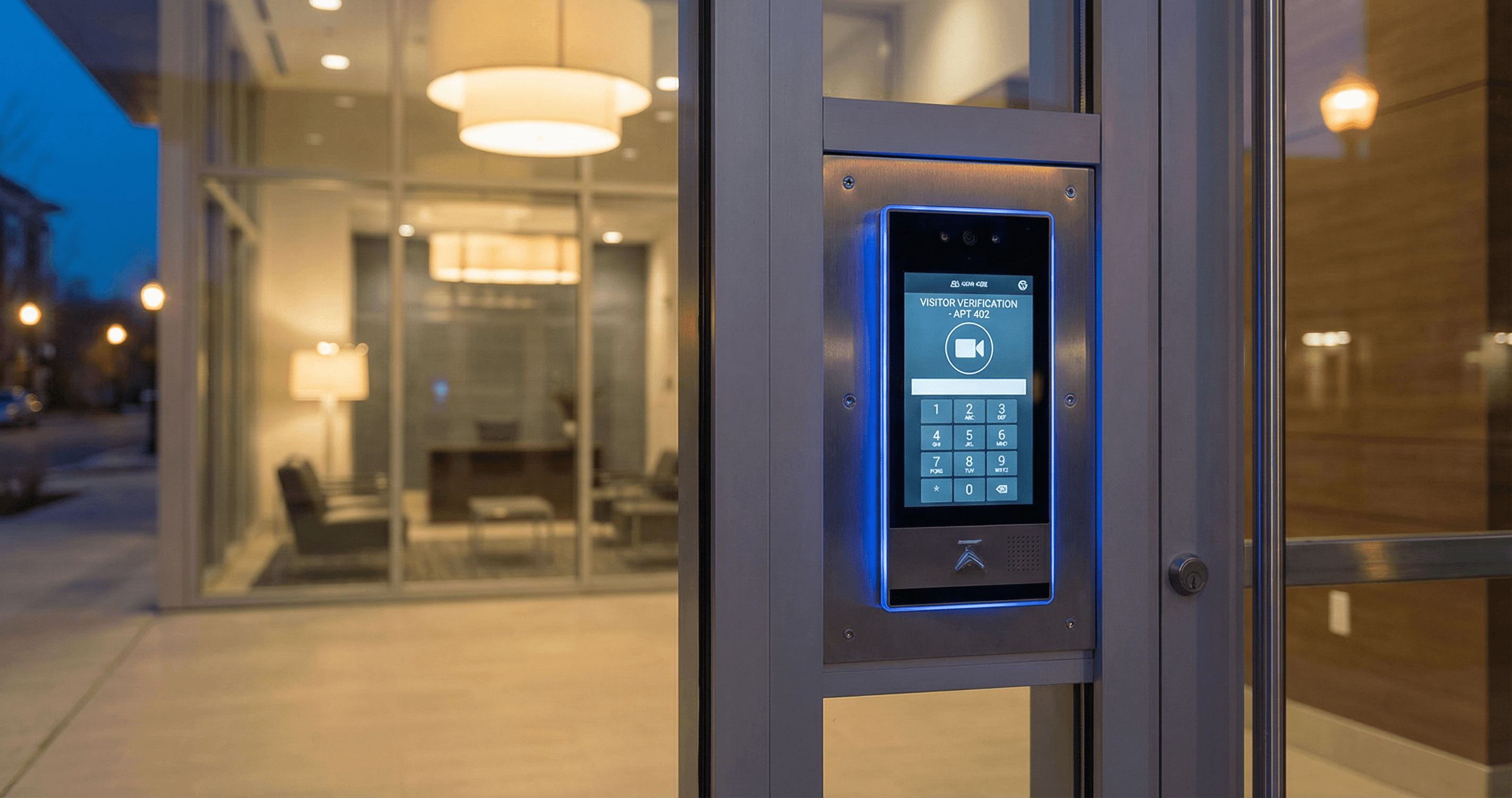
Key Takeaways
- Always verify before granting access - Legitimate visitors can provide your name, apartment number, and a clear reason for their visit
- Watch for red flags - Pressure tactics, vague explanations, and inability to answer basic questions are warning signs
- Use passphrases for expected deliveries - Give carriers a specific code word to confirm they're delivering your package
- Set up quiet hours - Block unknown visitors during work, sleep, or focus time
- Consider smart access solutions - AI-powered systems can screen visitors automatically when you can't answer
Your apartment buzzer rings. You're in a meeting, commuting home, or simply not available to answer. What happens next? For most renters, the answer is either a missed delivery, an ignored guest, or worse, blindly buzzing in someone they can't verify.
Learning how to screen apartment visitors when you're not home is essential for both security and convenience. This guide covers practical verification methods, warning signs to watch for, and modern solutions that handle screening automatically.
Why You Should Screen Apartment Visitors Before Granting Access
What is visitor screening? Visitor screening is the process of verifying a person's identity and purpose before granting them access to your building. It protects both individual residents and the entire building community.
Most apartment buildings rely on a simple system: someone buzzes your unit, you answer, and you decide whether to unlock the door. The problem? This system assumes you're always available to make that decision.
When you can't answer, or when you answer without properly verifying, security breaks down. According to Parcel Pending's 2025 Resident Preferences Report, 95% of residents agree that package security is important to them. That same concern extends to who enters your building.
Poor screening habits don't just affect you. When residents buzz in unverified visitors, the entire building becomes less secure. According to NMHC's Renter Preferences Survey, security features rank among the top priorities for apartment hunters, and apartment visitor verification is a key part of that security.
How Do You Verify a Visitor's Identity?
Proper apartment visitor verification takes only seconds but can prevent serious security issues. Here's what to ask before granting access:
The three-point verification check:
- Your name - A legitimate visitor should know who they're looking for
- Your apartment number - They should know where they're going
- Their purpose - They should clearly explain why they're there
A real delivery driver will say: "Hi, I have a package for Sarah in apartment 4B." A legitimate maintenance worker will say: "Building management sent me to check the radiator in unit 12."
What Legitimate Visitors Should Know
| Visitor Type | Should Know | Red Flag If They Don't Know |
|---|---|---|
| Delivery driver | Your name, package carrier | "I have a delivery for... someone?" |
| Maintenance | Your unit, the issue | "I'm here to fix... something" |
| Guest of yours | Your name, why they're visiting | Can't explain who invited them |
| Neighbor's guest | The neighbor's name and unit | "Can you just let me in?" |
If a visitor can't provide these basics, don't grant access. It's better to have a real guest wait a moment while you verify than to let a stranger into your building.
Red Flags When You Screen Apartment Visitors
Not every unverified visitor is a threat, but certain behaviors should raise immediate concern. Apartment buzzer security depends on recognizing warning signs:
Top red flags that indicate potential problems:
- Pressure tactics - "Just buzz me in, I'm in a hurry" or "Come on, it's cold out here"
- Vague explanations - "I'm here for a thing" or "Someone's expecting me"
- Can't name who they're visiting - Real guests know who invited them
- Claims to be another resident's guest - But can't provide the resident's name or unit
- Aggressive or irritated response - Legitimate visitors understand basic security
- Claims building access should "just work" - Real delivery drivers and workers know buildings have entry protocols
When in doubt, don't buzz them in. A legitimate visitor will understand. They can contact whoever they're visiting directly, or building management can verify their credentials.
The "Tailgating" Problem
Beyond your buzzer, be aware of tailgating, which is when someone follows you or another resident through a door without being buzzed in. This bypasses all screening entirely. While you can't control other residents' behavior, you can avoid holding doors open for people you don't recognize.
How to Verify Delivery Person Legitimacy at Your Apartment
Deliveries are the most common reason your buzzer rings. With over 90% of residents using package services weekly, knowing how to verify delivery person legitimacy matters. For more strategies on handling packages, see our guide on ways to never miss an apartment delivery.
For Expected Deliveries
When you know a package is coming:
- Check tracking - Know which carrier is delivering and when
- Provide a passphrase - Tell the carrier a specific code word in your delivery instructions
- Give clear drop-off instructions - Specify where to leave the package (lobby, mailroom, your door)
A passphrase system works like this: Your delivery instructions say "Leave with building access, passphrase: blue elephant." When the driver buzzes, they say "blue elephant," and you know it's your expected delivery.
For Unexpected Deliveries
If you weren't expecting a package:
- Ask which carrier they're from (Amazon, UPS, FedEx, etc.)
- Ask what name the package is addressed to
- If you're uncertain, ask them to leave the package at the building entrance or with management
Never buzz in an "unexpected delivery" without verification. Scammers sometimes claim to have packages to gain building access.
Setting Up Smart Access Rules
Modern technology offers solutions that screen visitors automatically when you can't answer. According to HID Global's 2024 State of Physical Access Control report, mobile access control adoption is currently at 40% and projected to reach 79-94% within five years.
Smart access control lets you create rules that work even when you're away:
Time-Based Rules (Quiet Hours)
Set specific hours when unknown visitors are automatically declined:
- Work hours (9 AM - 5 PM) - When you can't answer anyway
- Sleep hours (10 PM - 7 AM) - No late-night buzzer interruptions
- Focus time - Block interruptions during important meetings
Allowlists for Trusted Visitors
Pre-approve specific people who can always access:
- Family members
- Close friends
- Regular service providers (dog walker, cleaning service)
When someone on your allowlist buzzes, they're granted access automatically without you needing to answer.
Carrier-Specific Policies
Create rules for verified delivery carriers:
- Auto-unlock for known carriers during delivery windows
- Require passphrases for added verification
- Provide specific instructions for package placement
These rules handle the majority of legitimate buzzes while blocking unknown visitors.
What to Do When You're Away Long-Term
Vacation or extended travel requires extra consideration for apartment security:
Before you leave:
- Notify building management of your dates away
- Pause or redirect deliveries
- Ask a trusted neighbor or friend to be your emergency contact
- Consider setting strict quiet hours for your entire absence
While you're away:
- Don't announce your absence on social media
- Have someone check on your unit periodically if possible
- Review any access logs if your building provides them
When you return:
- Check for any unusual activity or attempted access
- Follow up on any delivery issues
The Modern Solution: Automated Visitor Screening
The challenge with manual screening is simple: you can't always be there to answer. According to research from SmartRent, 70% of renters say smart home features influence their leasing decisions. AppFolio's 2025 Renter Preferences Report confirms that technology expectations are rising across all renter demographics. Smart apartment access control is increasingly part of that equation.
AI-powered intercom systems can:
- Answer calls automatically when you're busy or away
- Verify visitor identity by asking for name, purpose, and who they're visiting
- Apply your rules - quiet hours, allowlists, delivery passphrases
- Provide spoken instructions for delivery drivers and legitimate visitors
- Log all activity so you can review who buzzed and what happened
This isn't about replacing your judgment; it's about extending it to times when you can't be there. The AI follows your rules exactly as you set them.
Putting It All Together
Screening apartment visitors effectively comes down to a few core principles:
- Always verify - Name, unit, purpose. Every time.
- Trust your instincts - If something feels off, don't grant access
- Use technology wisely - Passphrases, quiet hours, and smart access rules extend your screening ability
- Think community - Your screening habits affect your neighbors too
Your apartment building's security is only as strong as its weakest entry point. By taking visitor screening seriously and using the tools available to handle it when you're not home, you protect both yourself and your community.
Want to automate visitor screening for your apartment? Learn how Knockli handles building access, so you never have to choose between security and convenience.
Related Articles
Apartment Security While Traveling: Keep Your Buzzer Under Control
Learn how to manage your apartment buzzer and building access while you're away. Practical tips for handling deliveries, visitors, and security when traveling.
Apartment Delivery Problems Aren't the Driver's Fault
8-20% of apartment deliveries fail because your building wasn't designed for packages. Data analysis of the $17.78-per-failure cost.
Apartment Access Control: Stop Buzzing In Strangers
Learn what apartment access control means for renters, why your buzzer is a security risk, and how to control entry without hardware.