Stop Missing Apartment Deliveries: What Actually Works
Missing deliveries is one of the most frustrating parts of apartment living. Here are five proven strategies that actually work, from smart lockers to AI-powered virtual doorman solutions.
Knockli Team
Product Team
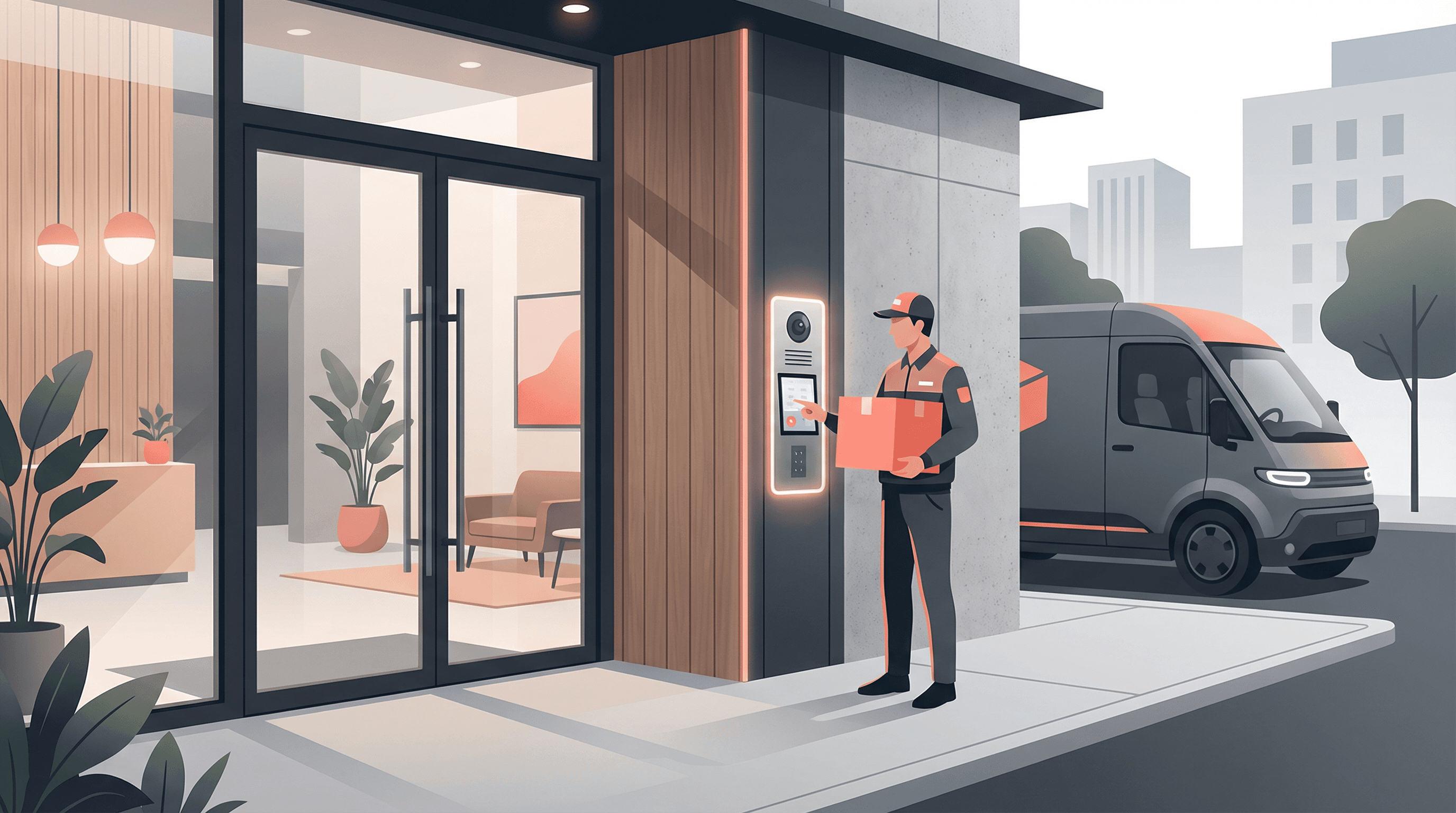
The Apartment Delivery Problem
If you live in an apartment, you know the frustration. You order something online, track it obsessively, and then... you get that dreaded "delivery attempted" notification while you're stuck at work or in a meeting. The package either goes back to the depot, ends up with a neighbor you've never met, or worse, disappears entirely.
You're not alone. Package theft affects tens of millions of Americans annually, and apartment residents are disproportionately affected due to shared entrances and less secure delivery areas. Unlike homeowners who can install cameras or leave packages in hidden spots, apartment dwellers face unique challenges: secured building entrances, multiple units, and delivery drivers who don't have time to call every buzzer twice.
The good news? There are practical solutions that work. Here are five strategies apartment residents are using to solve the delivery problem once and for all.
1. Take Advantage of Package Lockers
Many apartment buildings and communities now offer smart package lockers, which are secure, automated systems where delivery drivers can deposit packages and residents retrieve them with a code or app.
How Package Lockers Work
- The delivery driver scans the package at the locker
- An available locker opens automatically
- You receive a notification with a unique access code
- Retrieve your package anytime within the pickup window (usually 2-3 days)
Finding Package Lockers Near You
If your building doesn't have lockers, check for nearby options:
- Amazon Hub Lockers: Located at grocery stores, pharmacies, and convenience stores
- UPS Access Points: Partner locations that accept UPS deliveries
- FedEx Hold at Location: Retail partners that hold packages
- Parcel Pending, Luxer One, or Package Concierge: Common building locker brands
The convenience is hard to beat: packages are secure, you pick them up on your schedule, and you never have to coordinate with delivery windows again.
The Limitations
Package lockers aren't perfect. Large items won't fit, some carriers don't support them, and if your building doesn't have them, you're relying on third-party locations that might be inconvenient. For oversized deliveries like furniture or appliances, you'll need a backup plan.
2. Master Your Delivery Instructions
This sounds basic, but it's one of the most overlooked solutions. Detailed delivery instructions can make the difference between a successful delivery and a returned package.
What to Include in Your Instructions
Be specific and actionable:
- Building access details: "Buzz unit 4B and say you're delivering a package"
- Where to leave packages: "Leave with the doorman" or "Place in the mailroom on the second shelf"
- Backup options: "If no answer, leave at the leasing office (open until 6 PM)"
- Your phone number: Some carriers will call or text before attempting delivery
Where to Add Instructions
- Amazon: Account Settings → Addresses → Edit → Add delivery instructions
- UPS My Choice: Manage preferences for all incoming shipments
- FedEx Delivery Manager: Set standing instructions for your address
- USPS Informed Delivery: Add delivery instructions for your mailbox
Pro Tips
- Keep instructions under 50 characters when possible since drivers have limited screen space
- Avoid complicated directions that require reading paragraphs on a phone
- Update seasonally if your building has different hours or access policies
3. Consider a Virtual Doorman Solution
Traditional doorman services are expensive, typically reserved for luxury high-rises with 24/7 staff. But technology has created new options that bring doorman-style service to any building with a phone-based intercom.
What Virtual Doorman Services Do
A virtual doorman answers your building's buzzer on your behalf. When someone buzzes your unit:
- The service picks up the call
- It identifies who's at the door (delivery driver, guest, etc.)
- Based on your rules, it either unlocks the door, takes a message, or alerts you
- Everything is logged so you can see what happened
This is particularly useful for deliveries because:
- You don't need to be home or near your phone
- Drivers get immediate access instead of leaving
- You maintain control over who enters your building
Modern AI-Powered Options
Services like Knockli take this further by using AI to have natural conversations with visitors. Instead of pressing buttons through a phone tree, the AI can ask clarifying questions ("Which unit are you delivering to?"), verify delivery details, and make smart decisions based on your preferences.
The key advantage of AI-powered solutions is that they work with your existing phone-based intercom with no hardware installation or building manager approval needed. You simply update which phone number your buzzer calls.
Is It Worth It?
If you regularly miss deliveries or have a busy schedule that makes coordinating buzzer calls difficult, virtual doorman services pay for themselves quickly. The cost of one re-delivery attempt or one trip to a carrier depot often exceeds a month of service.
4. Coordinate Delivery Windows
Sometimes the simplest solution is the best one: schedule deliveries for when you're actually home.
How to Control Delivery Timing
- Amazon Day: Consolidate all Amazon orders to one delivery day per week
- Amazon Key In-Garage Delivery: If you have garage access, enable in-garage delivery
- UPS My Choice Premium: Reroute packages to different times or locations
- FedEx Delivery Manager Advanced: Schedule specific delivery windows
- Order strategically: Ship to your workplace if allowed, or time orders for weekends
Work With Your Building
Talk to your building management about:
- Package acceptance policies: Will the leasing office sign for packages?
- Secure storage: Is there a designated package room?
- Delivery windows: When are staff available to accept deliveries?
- Notification systems: Does the building text or email when packages arrive?
Group Orders
Instead of ordering items as you need them, batch your purchases. Fewer deliveries means fewer coordination headaches, and larger orders sometimes qualify for better delivery options.
5. Build a Neighbor Network
This might feel old-school, but it works. Knowing your neighbors creates a safety net for deliveries.
Why Neighbor Networks Work
- Drivers often leave packages with a nearby unit if you're not home
- Neighbors can buzz in delivery drivers on your behalf
- You can return the favor when they're away
- It builds community in your building
How to Set It Up
- Introduce yourself to immediate neighbors (same floor, adjacent units)
- Exchange phone numbers for package notifications
- Join or create a building group chat (Slack, WhatsApp, Facebook group)
- Establish informal reciprocity: "I'll accept your packages if you accept mine"
The Trust Factor
This approach requires neighbors you trust, which isn't always available. It also puts the burden on other people, which isn't sustainable for frequent deliveries. Use this as a backup strategy, not your primary solution.
Combining Strategies for Best Results
The most reliable approach combines multiple strategies:
- Primary: Smart locker or virtual doorman for most deliveries
- Secondary: Detailed delivery instructions for carriers without locker support
- Backup: Neighbor network or package holding location for exceptions
- Ongoing: Scheduled delivery windows for large or valuable items
For example, you might route most Amazon orders to a Hub Locker, set up an AI doorman for your buzzer to handle direct-to-door deliveries, and coordinate with a neighbor for anything that slips through.
The Technology Is Getting Better
The delivery problem for apartment residents isn't new, but the solutions are improving rapidly. Smart lockers are becoming standard in new construction. Carriers are adding more delivery flexibility. And AI-powered services are making virtual doorman technology accessible to any building, not just luxury high-rises.
The days of racing home to catch a delivery driver or spending your lunch break at the UPS depot are ending. With the right combination of tools and strategies, you can get your packages delivered reliably, securely, and on your schedule.
Living in an apartment shouldn't mean missing deliveries. Explore how Knockli's AI doorman can help manage your buzzer and keep your packages coming through, with no hardware changes required.
Related Articles
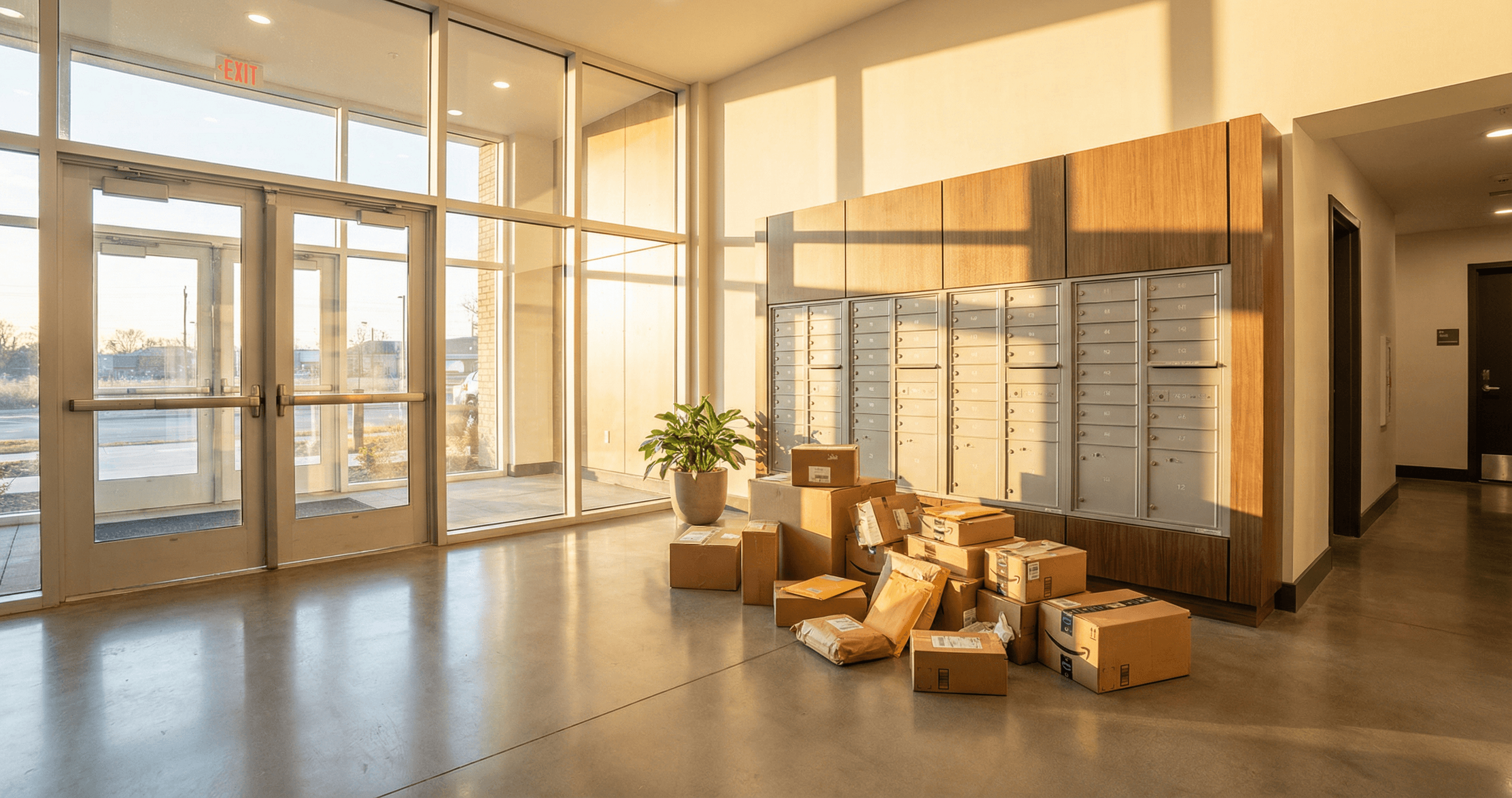
Apartment Package Theft: 3x Worse Than You Think
Apartment residents are 3x more likely to have packages stolen. Learn what to do when a package is stolen and how to prevent apartment package theft for good.
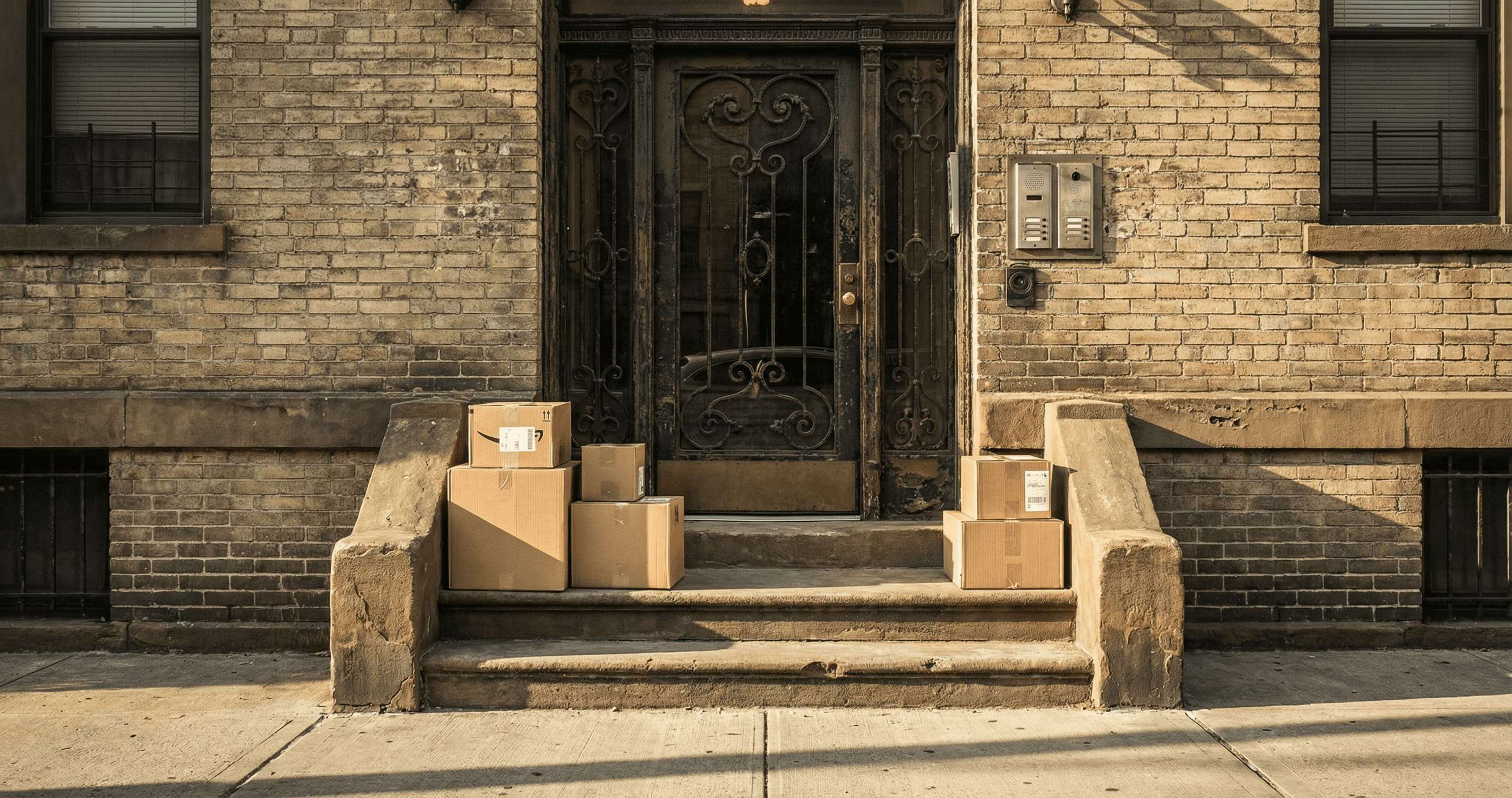
Apartment Delivery Problems Aren't the Driver's Fault
8-20% of apartment deliveries fail because your building wasn't designed for packages. Data analysis of the $17.78-per-failure cost.
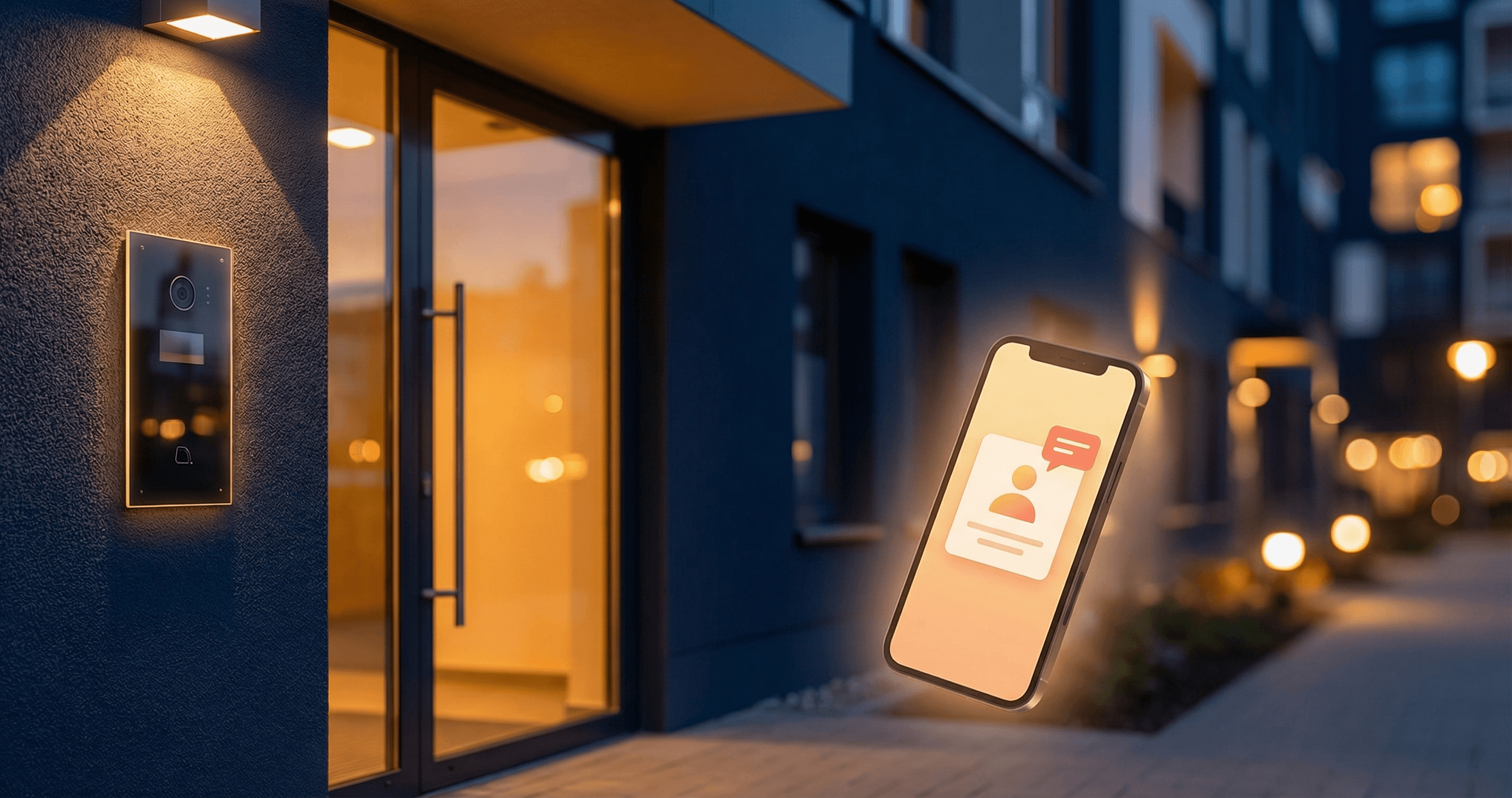
Introducing Knockli: Your AI Doorman Is Here
Knockli is your AI doorman. It answers your apartment buzzer, screens visitors, and handles deliveries automatically. No hardware needed, no landlord approval.