Resident Complaints Are Rising: Here's What Solves 66% of Them
Resident complaints have risen steadily since 2020, with customer service cited in 66% of negative reviews. Here's what's driving the surge and how building access automation addresses the largest complaint categories.
Knockli Team
Product Team
Building the future of smart building access for property portfolios.
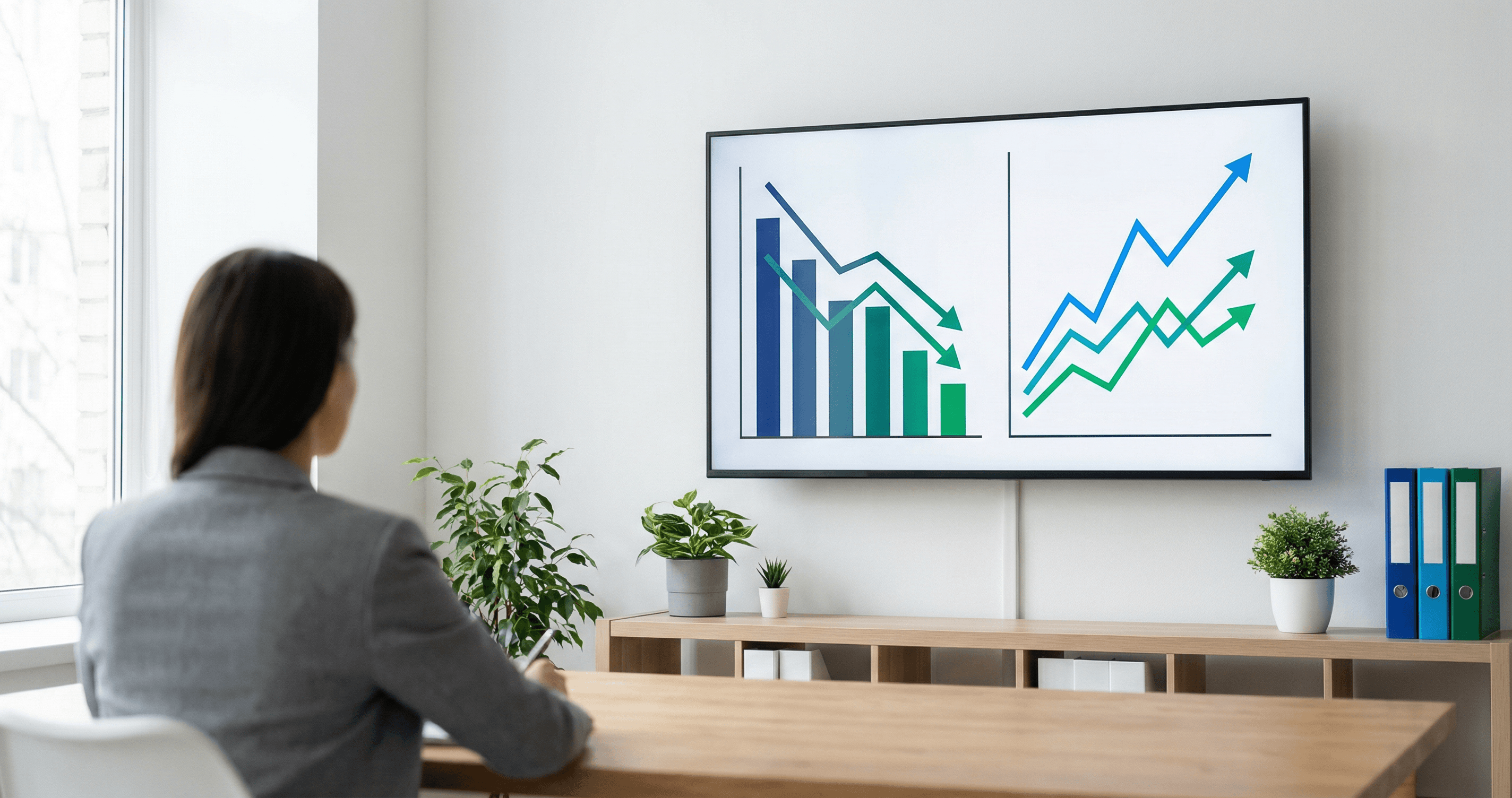
The feedback is getting worse. Reviews mention unresponsive staff, missed maintenance, unclear communication. And despite your team's effort, the complaint volume keeps climbing.
You're not imagining it. According to research on multifamily resident complaints, complaints have risen steadily since 2020, with negative sentiment increasingly outpacing positive reviews. The ratio of complaints to compliments has shifted, and property managers are feeling the pressure.
But here's the insight buried in that data: 66% of negative reviews cite customer service, not unit condition, not amenities, not even rent prices. The largest complaint category is how residents feel they're being treated, and a significant portion of that comes down to responsiveness, communication, and the small daily interactions that shape perception.
Many of those small interactions happen at your building's front door.
The Complaint Categories Worth Understanding
Before tackling solutions, it helps to see where complaints actually cluster. J Turner Research's analysis of resident reviews breaks down the top complaint categories:
| Category | % of Negative Reviews | % of Dissatisfied Residents Citing |
|---|---|---|
| Customer Service | 66% | 59% |
| Communication | 16% | 32% |
| Unit Condition | 20% | 23% |
| Maintenance Service | 23% | — |
| Financial Clarity | — | 28% |
| Amenities/Common Areas | 22% | — |
The pattern is clear. Customer service dominates. Communication is a consistent pain point. And the operational categories (maintenance, condition, amenities) matter, but not as much as how residents feel they're being treated throughout their tenancy.
This creates both a challenge and an opportunity. You can't easily change unit condition or upgrade amenities overnight. But you can change responsiveness and communication, and you can address the operational touchpoints that trigger complaint conversations.
The Building Access Connection
What does building access have to do with resident complaints? More than most property managers realize.
Access-related complaints are resident grievances stemming from building entry issues: missed deliveries, after-hours disruptions, visitor handling inconsistencies, and security concerns. These complaints fall into the customer service and communication categories that dominate negative reviews.
Consider the daily touchpoints where access intersects with resident experience:
Missed deliveries. A driver buzzes, no one answers, the package gets returned. The resident calls frustrated. You investigate. They file a complaint.
According to NAA's Parcel Pending research, 95% of residents say package security is important to them. When delivery access fails, it's not a minor inconvenience. It's a priority concern going unaddressed.
After-hours disruptions. Late-night buzzes from food delivery, lost visitors, or persistent solicitors. These interrupt sleep, create anxiety, and generate complaints that land on your desk the next morning. For a deeper look at managing these challenges, see our guide on handling after-hours building access without staff.
Visitor handling inconsistency. When every resident handles buzzer calls differently, some let in strangers without verification. Others ignore legitimate visitors. The result: security concerns, guest frustration, and complaints about how the building "doesn't feel safe" or "isn't welcoming."
Communication gaps. When something goes wrong with access, residents expect acknowledgment and resolution. If they never hear back, or if they get conflicting information, the complaint escalates.
These touchpoints fall squarely into the customer service and communication categories that dominate negative reviews. Solve them, and you're addressing the largest complaint drivers.
Why Traditional Approaches Fall Short
Property managers typically handle access-related complaints through a few standard approaches. Each has limitations:
Staff handling every call. Reliable but expensive and unscalable. When your team handles every buzzer interaction, they spend hours on routine calls instead of value-added work. NAA and AppFolio research shows property managers already spend 66% of their time on routine operations. Adding more manual buzzer handling makes this worse.
Let residents manage their own buzzers. This shifts the burden but creates inconsistency. Some residents screen carefully, others buzz in anyone who asks. You lose visibility into who's entering, and security concerns emerge.
Complete lockdown after hours. This prevents some problems but creates others. Legitimate late deliveries get missed. Guests can't enter easily. Residents perceive their building as inflexible.
Route everything to on-call staff. This works until your on-call team burns out. Handling every late-night call personally isn't sustainable, and response quality varies based on who's on duty and how many interruptions they've already fielded.
Each approach trades one problem for another. The result: access-related complaints persist regardless of which method you choose.
A Framework for Reducing Complaints
Effective complaint reduction requires addressing access issues systematically rather than reactively. Three pillars make this work:
Prevention: Stop Complaints Before They Start
Most access-related complaints trace back to predictable scenarios. Deliveries arrive when no one can answer. Late-night visitors disrupt sleep. Vendors can't access the building for scheduled work.
Prevention means setting up systems that handle these scenarios automatically:
Delivery policies. Define how carriers should be handled during different time windows. During business hours, auto-unlock after verification. After hours, provide clear instructions for return delivery.
After-hours rules. Specify how different visitor types should be handled when staff aren't present. Pre-approved guests get through. Unknown visitors get declined with callback instructions. Emergencies escalate immediately.
Scheduled access windows. For vendors and maintenance visits, create time-limited access with verification (passphrases or scheduling confirmation). No key handoffs, no coordination calls, no waiting complaints.
When these scenarios are handled proactively, the complaints never materialize.
Automation: Handle Volume Without Adding Staff
The math problem facing most property managers: complaint volume is rising, but headcount isn't. Solving this requires automation that maintains quality while handling scale.
For building access specifically, this means systems that can:
- Screen visitors automatically through conversation, not just button-pressing
- Apply policies consistently based on time, visitor type, and building rules
- Route appropriately to residents, on-call staff, or automatic handling
- Notify residents without requiring them to answer every call
AI-powered access solutions, including Knockli, can handle routine screening interactions automatically. The visitor buzzes, the AI identifies who they are and why they're there, and the system applies your policies. Residents get notified about relevant visits without being interrupted by every solicitor or wrong-number call.
The practical result: staff time freed from routine handling, residents experiencing fewer disruptions, and complaints decreasing because the triggers never escalate.
Documentation: Turn Complaints Into Improvements
Even with prevention and automation, some complaints will occur. The difference between buildings that improve and buildings that stagnate is what happens with that feedback.
Effective documentation means:
Complete access logs. Every visitor interaction recorded with timestamps, outcomes, and context. When a complaint arrives, you can investigate with facts instead of guesswork.
Pattern identification. Review access data monthly. Are complaints clustered around specific time windows? Certain visitor types? Particular units? Patterns reveal where policies need adjustment.
Feedback loops. When you resolve a complaint, close the loop with the resident. Let them know what changed. This transforms a negative experience into evidence that management listens.
Documentation also protects you when complaints are unfounded. "Someone was trying to break in" becomes verifiable when you can show exactly who accessed the building and when.
Measuring Complaint Reduction
If you implement these approaches, how do you know they're working? Track these metrics:
Primary Metrics:
-
Access-related complaint volume: Track complaints specifically tied to deliveries, visitor handling, after-hours disruptions, and security concerns. Segment by type to see which interventions work.
-
Delivery success rate: What percentage of delivery attempts result in successful entry during your allowed hours? Target 90%+ to eliminate the "missed delivery" complaint stream.
-
After-hours escalations: How many late-night or weekend calls require human intervention? This should decrease as automation handles routine cases.
Secondary Metrics:
-
Resident satisfaction scores: If you survey residents, watch for changes in responsiveness and security ratings.
-
Staff time allocation: Are your team members spending less time on buzzer-related tasks? That time should shift to proactive resident engagement.
-
Review sentiment: Monitor new reviews for themes. Decreasing mentions of "unresponsive" or "poor communication" suggests improvement.
Buildings implementing access automation commonly report 80-90% reductions in delivery-related complaints. The math is straightforward: if 30% of your complaints trace to access issues, and automation resolves 80% of those, you've eliminated roughly 25% of total complaint volume.
The Turnover Connection
Reducing complaints isn't just about operational efficiency. It directly affects your bottom line through resident retention.
According to research on resident turnover costs, turning a unit costs approximately $4,000 on average, including vacancy loss, turn expenses, and leasing costs. And the second most common reason residents leave? Dissatisfaction with management.
Complaints are leading indicators of turnover. Each unresolved complaint erodes the relationship. Enough erosion, and the resident starts browsing listings instead of renewal paperwork.
The flip side: buildings that solve small frustrations build satisfaction that compounds. When deliveries arrive reliably, when late-night disruptions stop, when visitors are handled professionally, residents notice. They may not articulate exactly what's better, but they feel it. And that feeling influences renewal decisions.
For a deeper look at how building technology investments affect retention, see our analysis of resident turnover costs and technology ROI.
Getting Started
If access-related complaints are a meaningful portion of your feedback, here's a practical starting path:
Week 1: Audit your current state. Pull complaints from the past 90 days. Categorize them. What percentage relate to access, deliveries, after-hours issues, or visitor handling? This establishes your baseline.
Week 2: Define policies. What should happen when a delivery driver buzzes at 2 PM? At 9 PM? What about a resident's family member? A solicitor? Write down the ideal handling for each scenario.
Week 3: Evaluate solutions. What tools exist to implement your policies? For buildings with phone-based call boxes, software-first solutions can add automation without hardware replacement. For buildings with modern video intercoms, integration options vary.
For guidance on evaluating options, see our building access technology evaluation framework.
Week 4+: Implement and measure. Start with one building if you manage a portfolio. Establish metrics. Validate that complaints actually decrease. Then expand.
The Larger Picture
Resident complaints are rising across the industry. That trend won't reverse through wishful thinking or working harder. It requires addressing the operational patterns that generate complaints in the first place.
Building access sits at the intersection of customer service, communication, and daily resident experience. It's not glamorous, but it's frequent. Every delivery attempt, every guest visit, every after-hours call is a touchpoint that either builds satisfaction or erodes it.
Property managers who solve these interactions systematically, through clear policies, appropriate automation, and complete documentation, will see complaint volumes decrease while competitors wonder why their feedback keeps getting worse.
The 66% of complaints attributed to customer service? A meaningful portion originates at the front door. That's where the opportunity is.
Ready to reduce access-related complaints across your portfolio? Learn how Knockli works for property managers, from delivery automation to after-hours handling, with no hardware replacement required.
Related Articles
AI Doorman for Property Managers: What It Is and Why It Works
An AI doorman handles building access 24/7 without staff. Learn how it works, what it costs, and why property managers are adopting it.
Last-Mile Delivery's $95 Billion Problem Routing Can't Solve
The logistics industry optimized routing while $95B in waste accumulates at building doors. Why old-stock housing drives delivery failure.
Apartment Access Control Without the Capital Expense
76% of apartment buildings still use physical keys. See how software-first access control delivers modern security without six-figure hardware costs.